Early PhD prototypes
My starting goal was a surface that could form an ocean-like wave: a connected structure with motion across its area and curvature beyond a simple raised dome. I explored several ways to create that motion before developing the pneumatic cells.
Printed patterns and string actuation
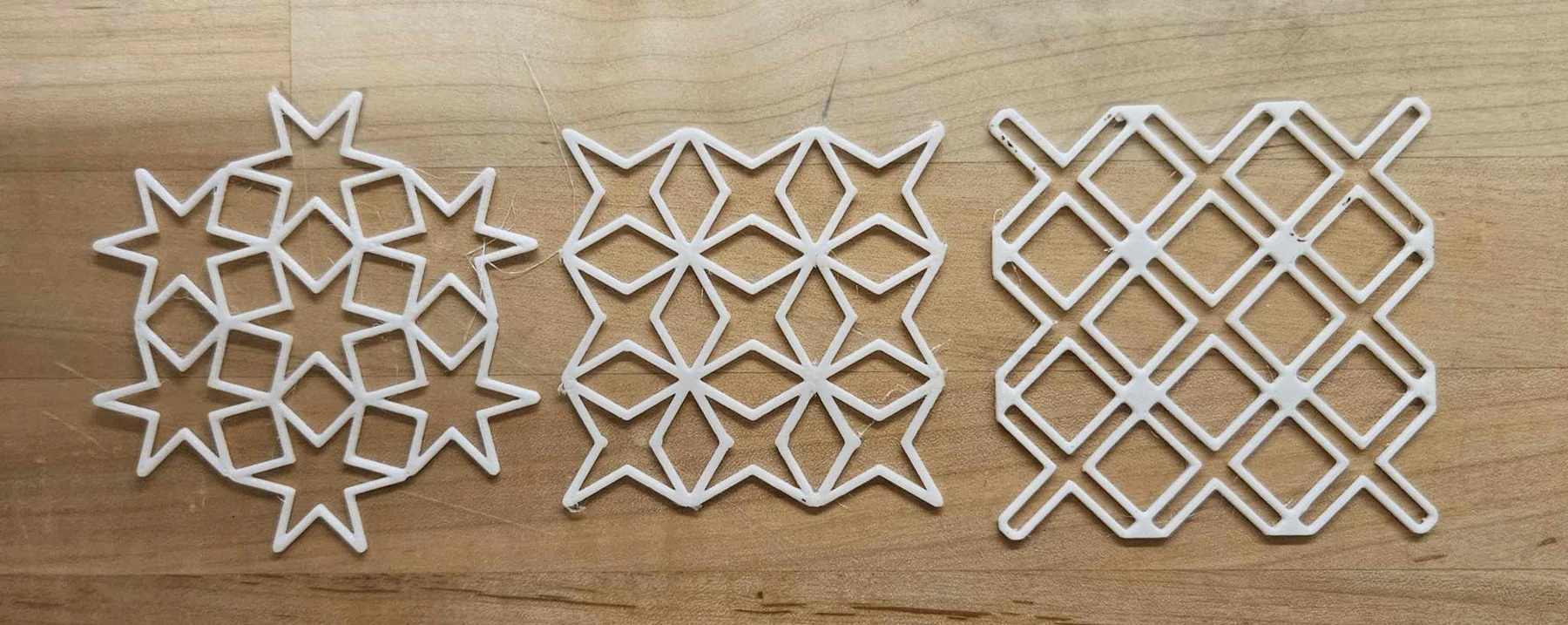
In 2023, I built early printed patterns and a string-actuated prototype, exploring hexagonal and star-shaped geometries. This work let me investigate how local deformation could change a larger surface while keeping the structures straightforward to fabricate.
Pin-configured Sarrus surfaces
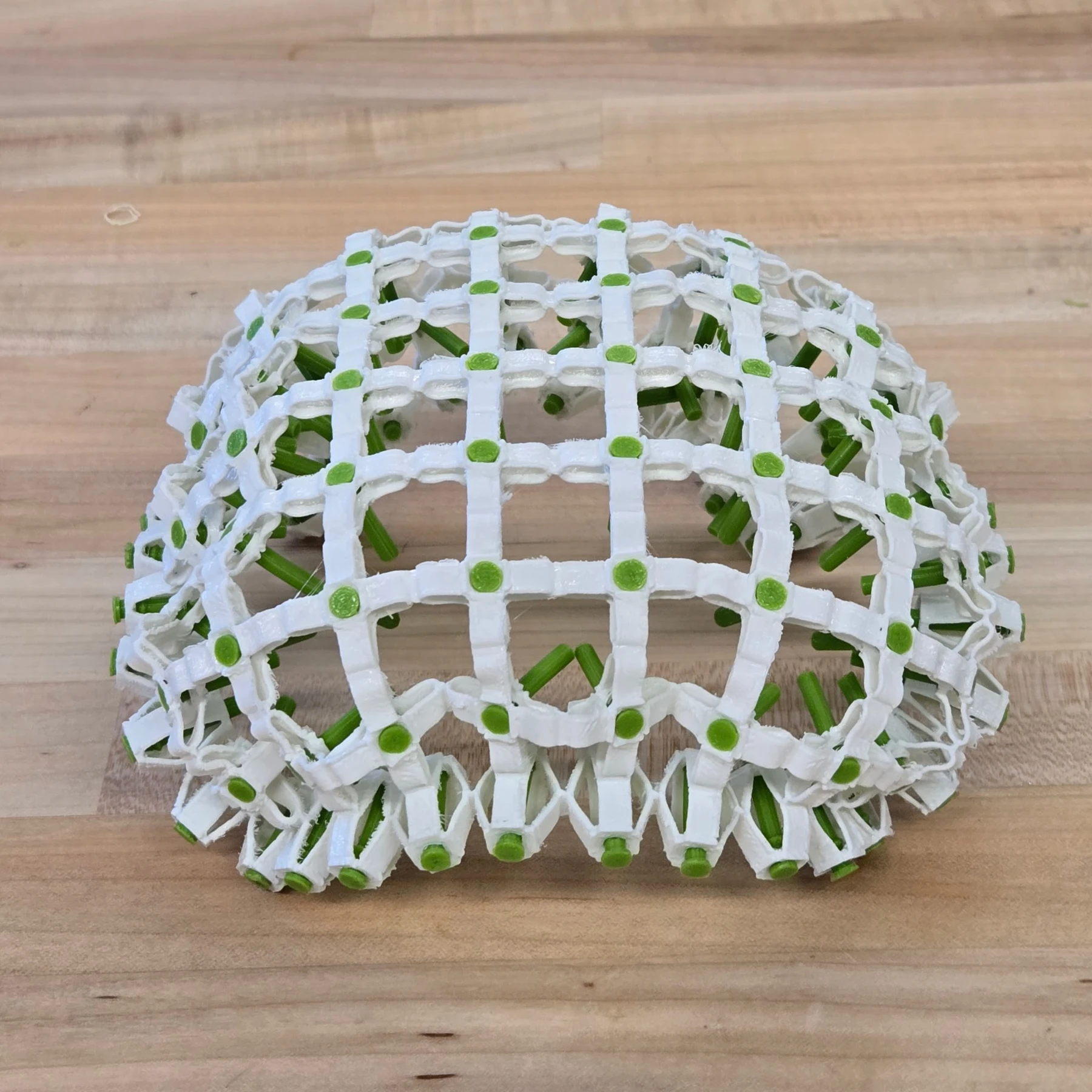
I then used expanding Sarrus linkages to set the surface geometry directly. Small printed shafts held selected cells in expanded positions. Arranging those cells across an array produced a physical dome before I introduced powered actuation.
From syringe actuation to a printed cell
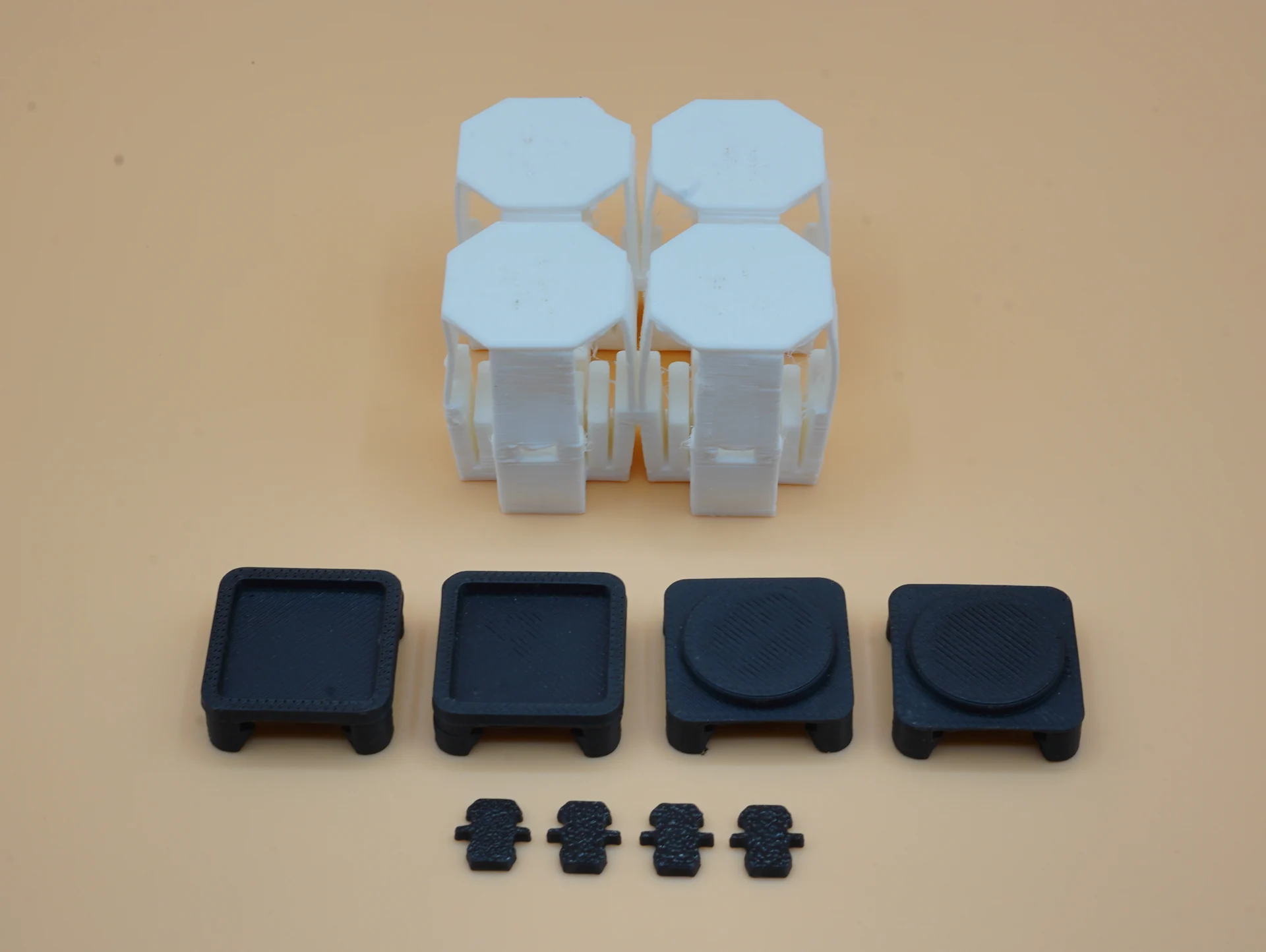
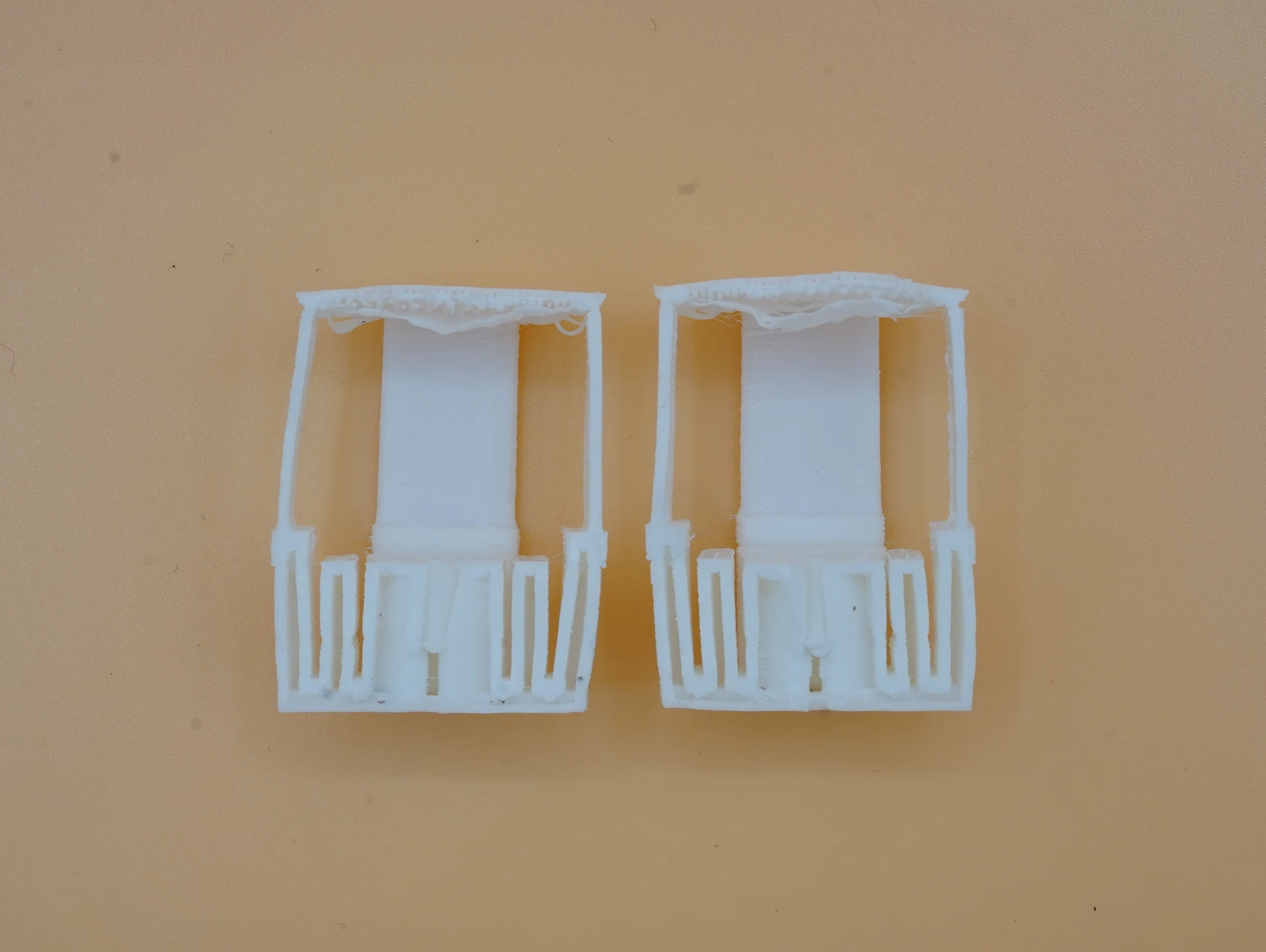
In 2024, I tested syringes inside the Sarrus linkages to draw their ends together and drive expansion. I developed the surrounding plunger connections, clips, and couplers as part of that prototype. It established an actuation route and made reducing the number of separately installed parts a clear design objective.
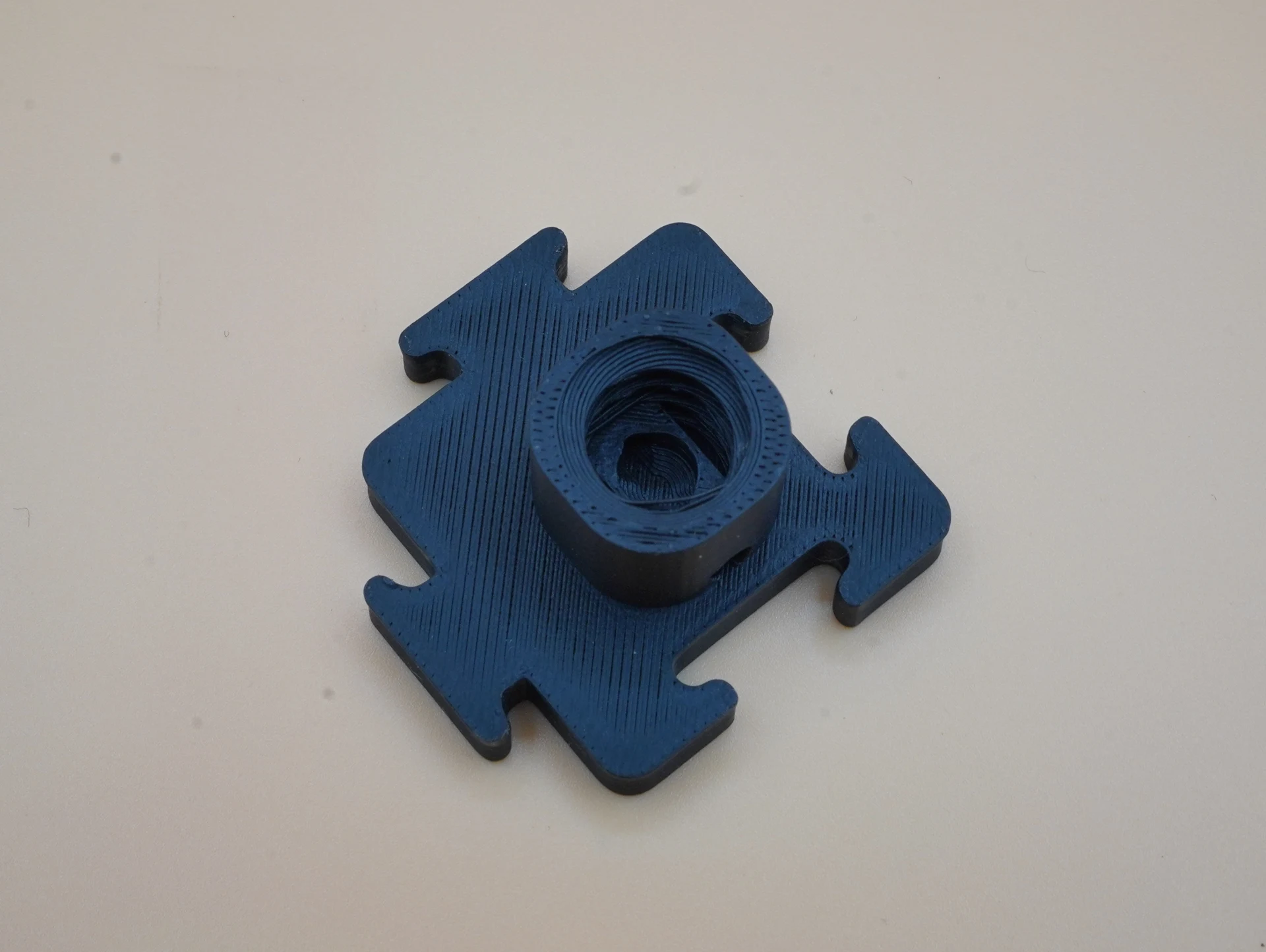
I carried that motion into a monolithic soft cell, combining the compliant Sarrus linkage and pneumatic actuator in one printed part. That integration became the basis of the reconfigurable robots shown here.
Inflating the actuator changes the cell geometry and increases its lateral extent. When neighboring cells constrain that expansion, a planar array can move out of plane. Grouping cells and changing their structural arrangement produces different whole-body motions.
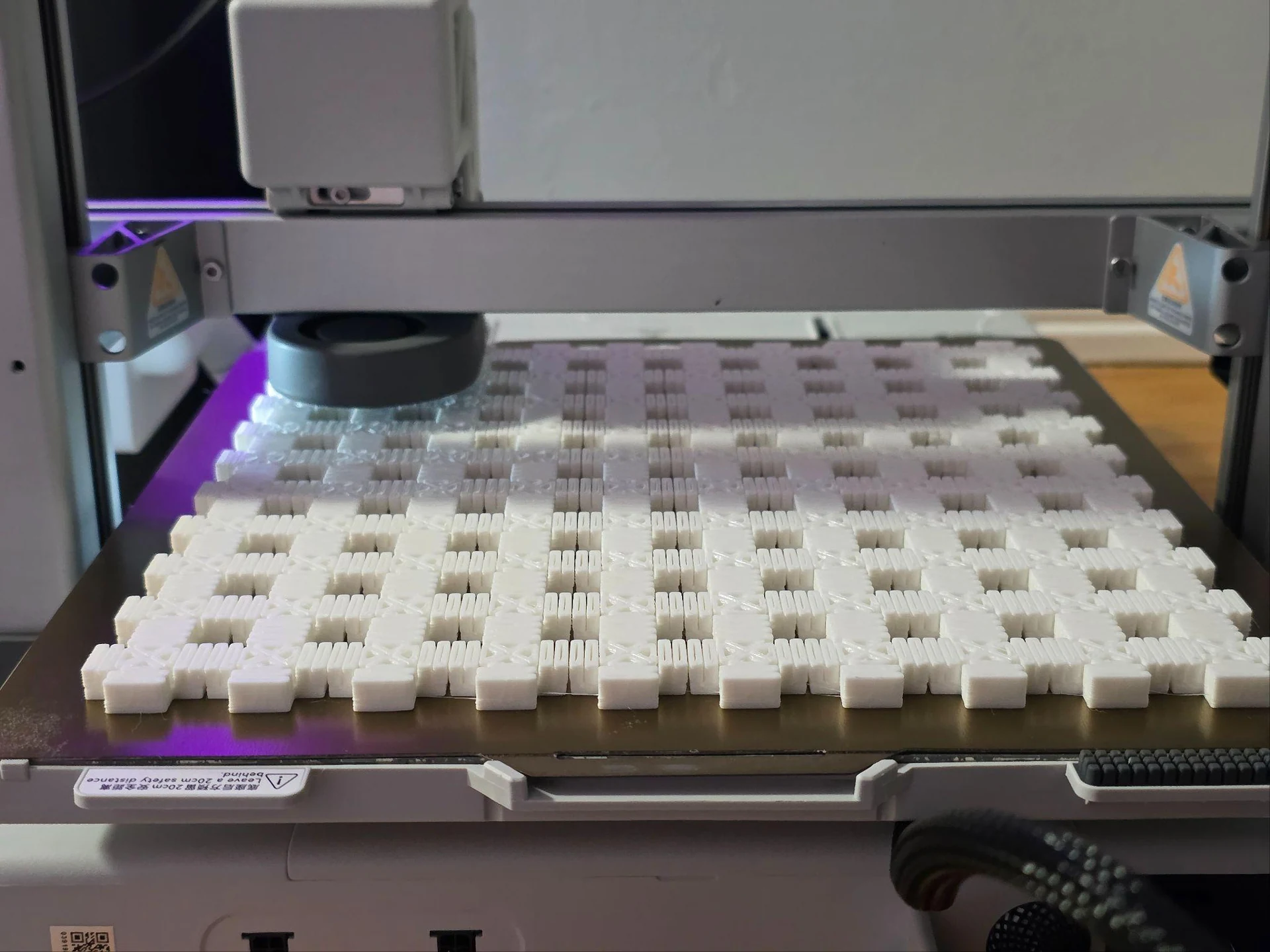
Printing the actuator and linkage together eliminates a separate actuator-installation step in every cell. Detachable connections let me reuse those cells across different robot bodies.

Robot configurations
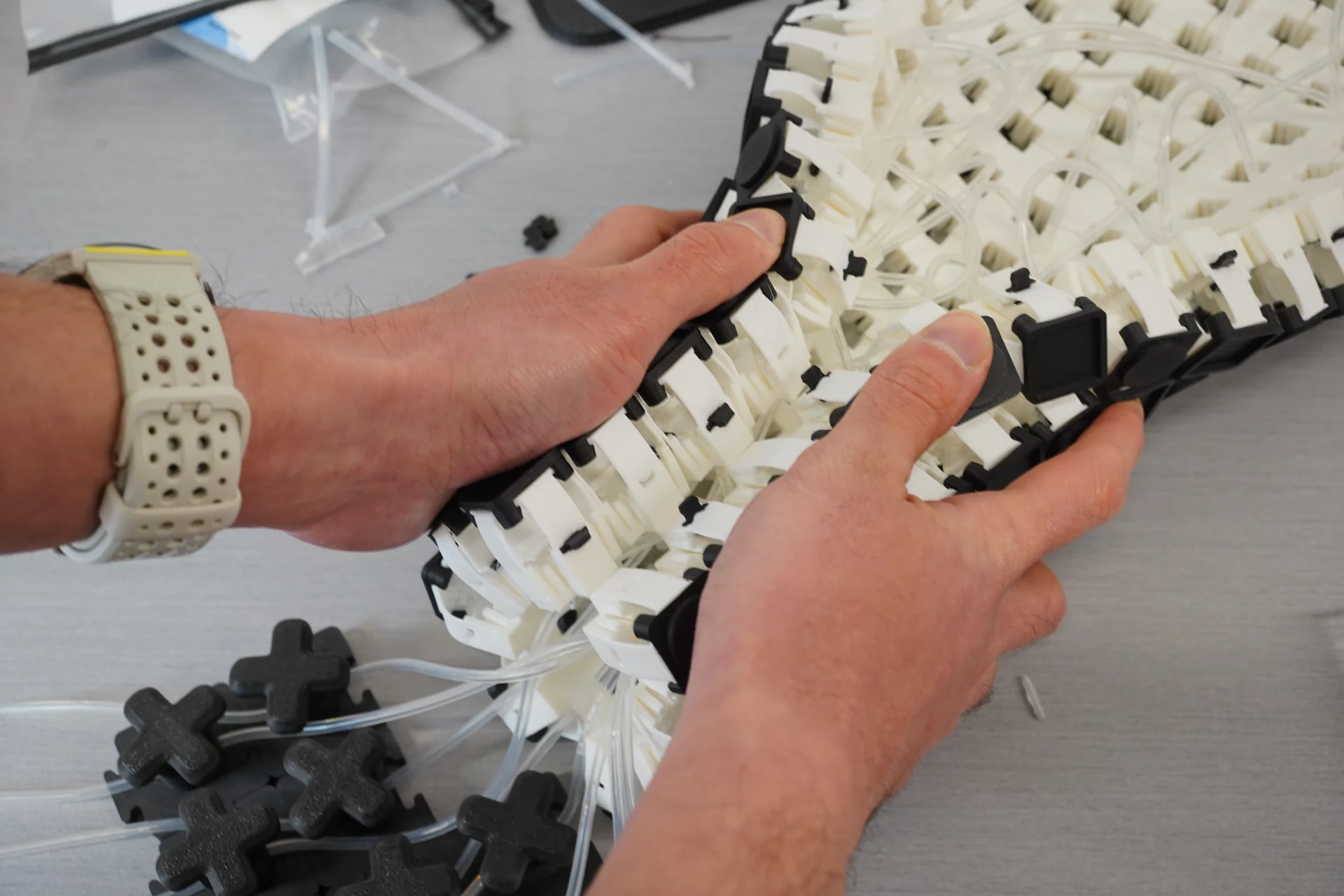
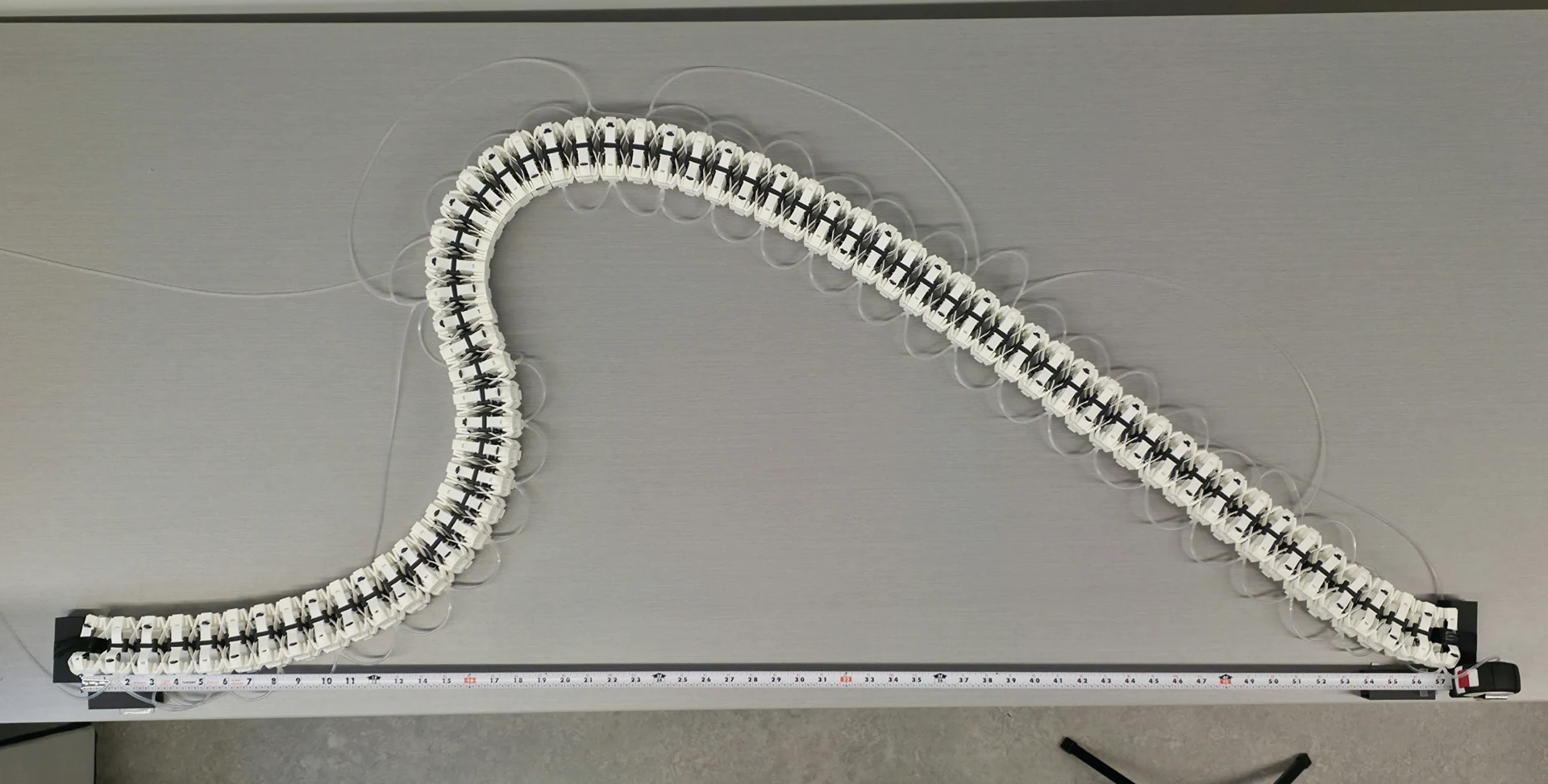
With guidance from Cagdas Onal and Pratap Rao, I extended the surface into a reconfigurable architecture. The same cells can be manually connected into planar and closed three-dimensional structures. Geometry and the actuation sequence determine the behavior.
| Arrangement | Physical demonstrations |
|---|---|
| Planar surface | Single and paired domes, traveling waves, and convex or concave ball manipulation. |
| Cylindrical arm | C- and S-shaped bending, grasping, and object transport. |
| Crawler | Peristaltic locomotion using a propagating actuation sequence. |
| Closed ring | Rolling through deformation and center-of-mass shifts. |
Physical demonstrations
These physical demonstrations show how cell arrangement and coordinated inflation produce surface motion, grasping, crawling, and rolling.
Continuum arm
Closing the cellular structure into a cylindrical body changes how the cells constrain one another. Differential actuation bends the arm, while coordinated deformation enables a grasp-and-release sequence.
Fabrication and mechanical testing
I developed the soft-filament printing process through CAD revisions and repeated physical trials. This work concentrated on wall transitions, sealing, and cell expansion, bringing geometry, print settings, and material preparation into the design process.
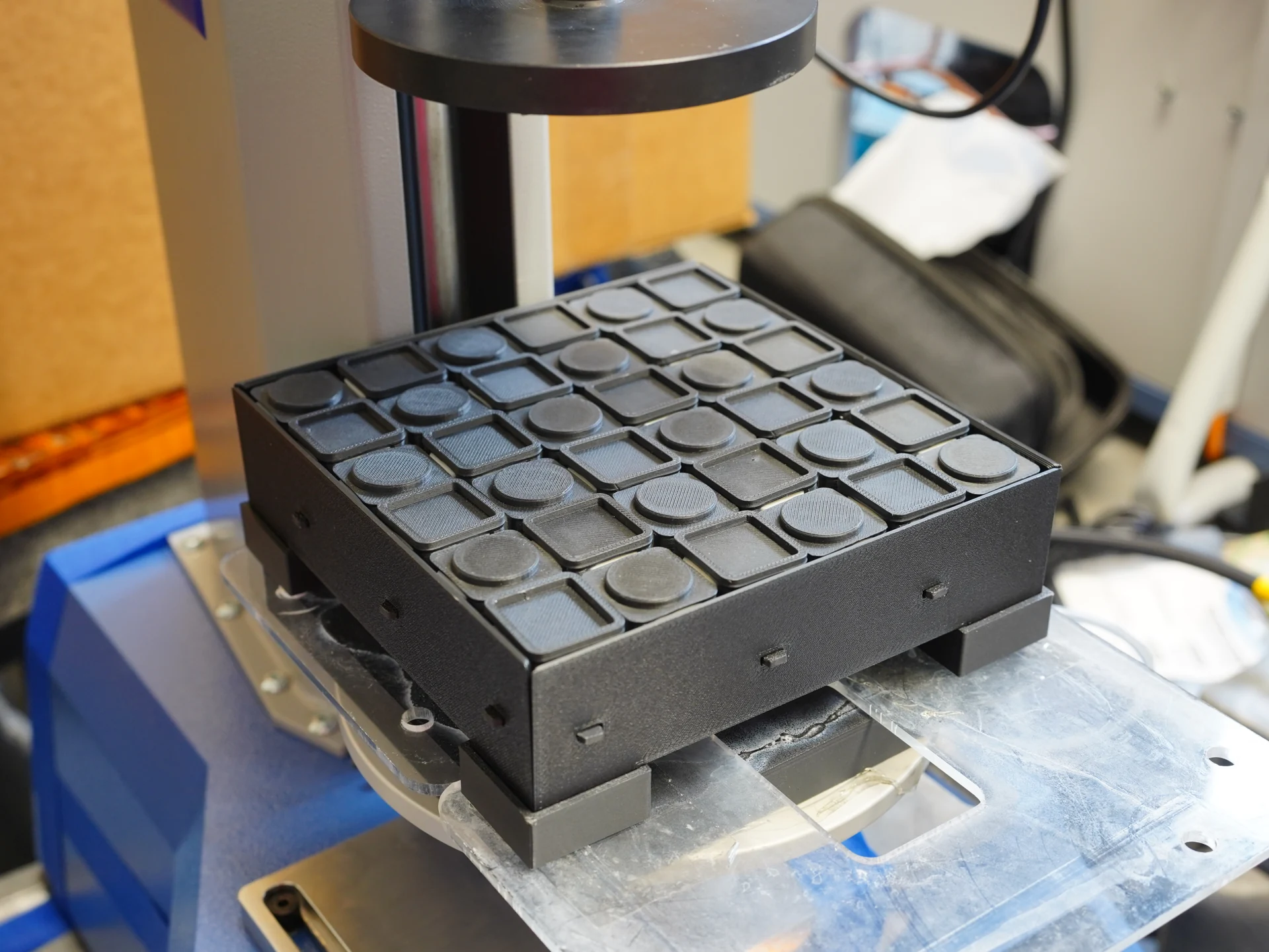
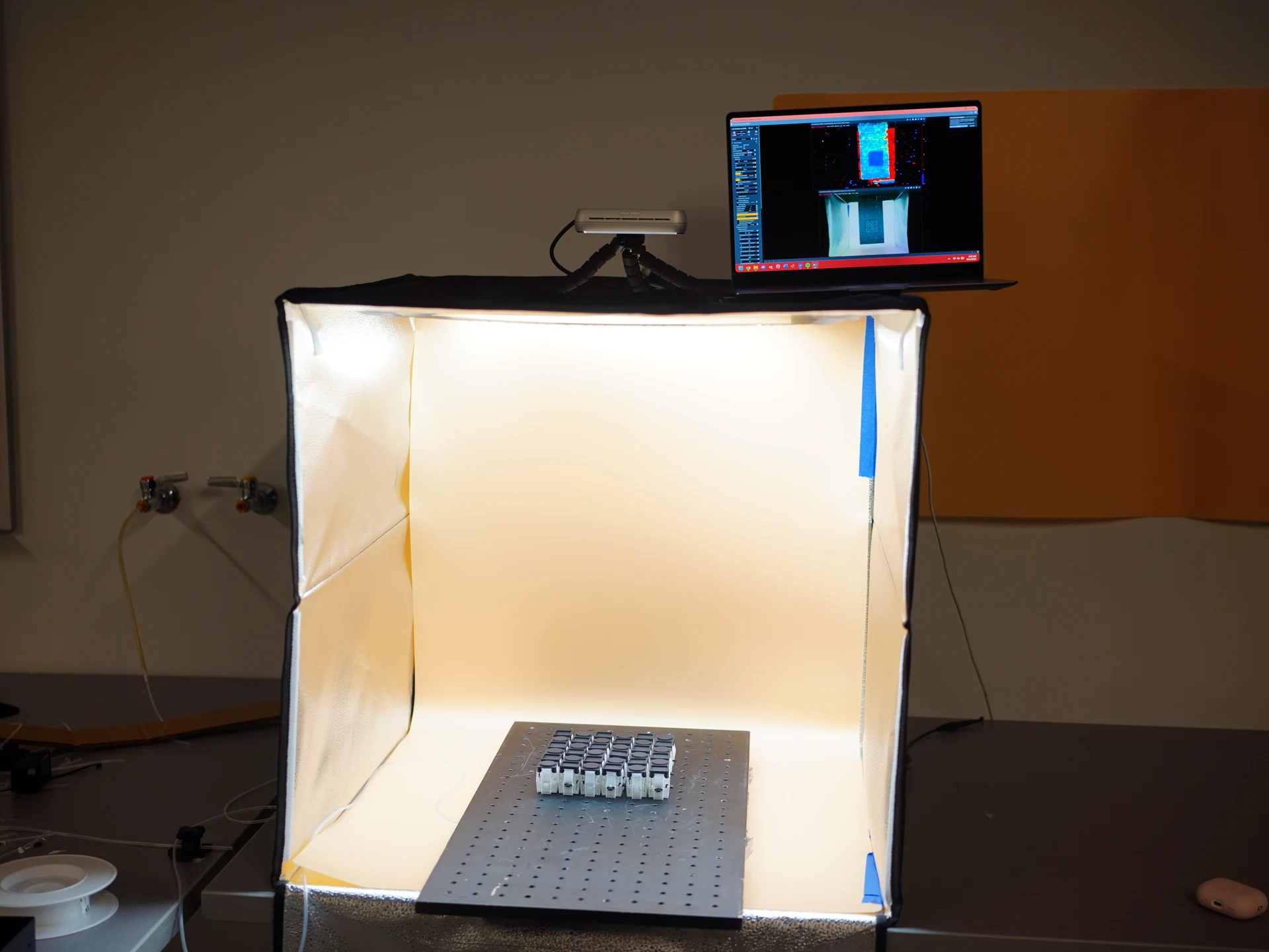
I measured cell and module deformation, force scaling, loading work, and hysteresis. Repeated-actuation experiments included 100 inflation cycles and five independent cell and module specimens. For pressure-dependent measurements, I recorded the specimen and analog pressure gauge with separate cameras, then used Codex-assisted processing to synchronize recordings and extract the data.
Ongoing research
I’m investigating how shared mechanical controls can determine local expansion across a shape display. A separate research direction examines how a connected surface can redistribute material, retain varied shapes, and be reshaped again.
Both directions are ongoing, with an emphasis on simple fabrication and low assembly effort.
A monolithic cellular architecture for topology-programmable soft robotics.
Alan N. Pham, Pratap M. Rao, and Cagdas D. Onal.
Manuscript submitted to Science, October 2026.